Reviews of Ten Books on Sex and Aging
When I started lecturing on sex and aging biomechanics, I purchased every book on the topic of sex and aging I could find. Retail bookstores are wonderful places to browse books, but I have not seen any of these in general bookstores or sex stores. Online retailers have these, but many of them do not provide tools to look beyond the cover, so it is impossible to determine whether a book suits your needs and tastes before you buy. As you will see, some of the books have titles that may be misleading. Hence, the primary purpose of this post is to provide information on each one to help you make a decision on which one – or ones – you may want to purchase. I also offer my personal opinions on them.
I have ranked these books from best (#1) to worst (#10) based on my personal evaluation, supplemented by feedback received during my public lectures. At each lecture, I bring five of these titles to share with attendees: Naked at Our Age, The Ultimate Guide to Sex after 50, A Celebration of Sex After 50, Sex After Grief, and Better Than I Ever Expected. Notably, all of Joan Price’s works on sex and aging appear on this list; she remains my preferred author in this field. I highly recommend her books to anyone interested in the subject. It is important to note, however, that my ranking does not fully capture the development of Ms. Price’s perspectives and approaches over time. Chronologically, her publications are as follows: Better Than I Ever Expected (2006), Naked at Our Age (2011), The Ultimate Guide to Sex after 50 (2014), and Sex After Grief (2019 and 2024). With this context, I present reviews of ten books on sex and aging.
1. Naked at Our Age: Talking Out Loud About Senior Sexby Joan Price (Seal Press, 2011, 387 pages)
This is my favorite book to recommend to people on the general topic of sex and aging. Ms. Price describes the purpose of the book in its introduction: Naked at Our Age: Talking Out Loud About Senior Sex is a candid, straight-talking book addressing senior sexuality in all its colors: the challenges, the disappointments, and the surprises, as well as the delights and the love stories.” The book lives up to this description.
This is Ms. Price’s second book on sex. Unlike her first book, Better Than I Ever Expected, which is primarily for women, this book is for both men and women. It builds on the structure of her first book, combining her narrative, quotes from interviewees, and contributions from sex experts. The interviews include a wide range of older adults willing to share their stories about sexuality. Most of the book consists of these stories, which provide insights and help readers feel less alone. Many topics, such as pelvic floor disorders, erectile dysfunction, or the use of sex toys, are not often discussed openly. By including these topics rather than relying only on expert advice, Ms. Price helps readers feel less isolated in difficult situations. In my opinion, this is the most powerful aspect of her books on sex and aging. Ms. Price also includes input from experts in human sexuality, including medical professionals, psychotherapists, authors, and workshop leaders. A major strength of the book is the biographical sketches she provides for each expert in the chapter “Meet our Experts.” This information helps readers assess their advice. Ms. Price presents expert input as responses to specific reader stories or as sidebars in gray rectangles. Sometimes she writes a reply to the interview response and provides an introduction for each chapter.
Unlike most of the other books reviewed here, this one has an index that makes it easy to find material. This is especially important because many interview stories address similar issues throughout the book. Like the others, there is no chapter dedicated to lesbian, gay, bisexual, and transgender (LGBT) concerns, but the index helps locate material on these topics.
The book has a wonderful forward by Betty Dodson, Ph.D., that is the source of wonderful quote about sex, biomechanics, and orthopaedic surgery: “As I approached sixty, I felt a need to challenge the aging process more assertively. My hip joints were getting stiff and painful, and I was faced with a physical challenge. Some days I was nearly crippled. When my hip pain had progressed to the place that I couldn’t comfortably open my legs to make room for a partner to penetrate me, I opted for bilateral hip replacement surgery at the age of sixty-seven. A year later I was a born-again hedonist.” Her quote reminds us that we can do something: “challenge the aging process more assertively.” We have choices and do not have to passively give in to ailments like hip arthritis and end terminate our sexuality! Whether a hip replacement is right for you if you have hip arthritis is something you should discuss with your orthopaedic surgeon; neither Ms. Price or I am giving advice to do so. Nevertheless, it is an example of not giving up and passively accepting the end of sex.
The most striking change from Ms. Price’s first book is the inclusion of two chapters on erectile dysfunction, one for men and one for women. This is the only sex and aging book I have read that explicitly addresses the issue from both male and female perspectives, which is an excellent approach for a heterosexual audience. In the same spirit, there are two separate chapters on “unlearning our upbringing,” one with stories from women and the other from men. I find these especially useful because many people have told me after lectures that they lost a spouse, are sexually frustrated, feel guilty about finding a new partner, or feel so guilty about masturbation that they will not consider it. They say this guilt comes from what they were taught growing up. This chapter helps readers see they are not alone in facing or moving beyond these beliefs.
The book gives more attention than any I have read to challenges related to the vulva and vagina. Many books mention post-menopausal reduced vaginal lubrication, but few directly address vulvar or vaginal pain. The book acknowledges that it cannot resolve these issues and recommends seeking treatment. Still, it is valuable to see this topic addressed in print. This chapter fulfills Ms. Price’s promise to write a candid, straight-talking book, since this topic is often not discussed or only discussed among women. Men can also benefit from reading this chapter to better understand and empathize with their older adult partner.
The chapter on being “stuck in sexually and emotionally frustrating relationships” (“Together yet Alone: Is This My Marriage?”) covers important ground not detailed in other sex and aging books. The sidebar, “How to Know It’s Time to Let Go,” may be emotionally difficult but life-changing to read. A related chapter, “Revising Desire,” discusses simply losing interest in sex, which can lead to the problems mentioned earlier. There are stories from Ms. Price’s interviews and helpful suggestions from physicians and sex therapists included as sidebars.
As with many of these books, there is material on masturbation and sex toys. In chapter eight, “Sex with Myself,” Ms. Price explains why this topic is included by listing three reasons: “1. Our bodies change as we age, often requiring more or different kinds of stimulation to achieve arousal and orgasm … 2. Many of us are without partner sex, either by choice or because of the death or illness of a partner, or due to a divorce or separation, … [and] 3. For men, the ability to engage in penetrative sex may become unreliable or even impossible.” Masturbation is a theme in all of these books, but this one most clearly explains why it should be discussed in the context of aging sexuality. The expert shares and sidebars are excellent. Chapter three, “Sex Toys: Now More than Ever,” is closely related to the masturbation chapter. It dispels myths about sex toy use and includes sidebars from experts on topics such as “Sex Toys for Older Men” and a cautionary one titled, “Avoid These! Unsafe Products and Practices.”
A significant strength of the book is that it addresses gay and lesbian sex more extensively than any of the other books reviewed. While I see this as a positive, some readers may not be comfortable reading about sex between people of the same gender. If so, see my recommendations at the end of this review for other books.
I am gratified that Ms. Price included a chapter. “Safer Sex – Yes, at Our Age.” There is an epidemic of sexually transmitted infections (STIs) in many retirement communities. There are many reasons for this, including the fact that many older adults became sexually active before it was recognized that AIDS existed and was caused by HIV, which is an STI. This chapter reviews basic STI information, with special attention to HIV and prevention through condom use. The chapter is the only one I have seen that honestly addresses concerns older men have about condom use that is related to penis sensitivity and erection stiffness. Charlie Glickman, Ph.D., provides a nice sidebar titled, “Advice to older men about condoms.” It has insightful and practical advice.
In summary, this is a great book for both women and men. As with Ultimate Guide to Sex after 50, some content goes beyond what I was initially comfortable with. For example, I am a monogamist, and discussions of polyamory and sex workers made me uncomfortable. I accepted that while these topics are not for me, they do resonate with some people. I continued reading without dismissing the entire book. If you feel you cannot do the same, you might prefer Better Than I Ever Expected or The New Love and Sex After 60. If you are Christian and have similar concerns, see A Celebration of Sex After 50.
2. The Ultimate Guide to Sex after 50: How to Maintain – or Regain – a Spicy, Satisfying Sex Life by Joan Price (Cleis Press, 2014, 396 pages)
This book is a close second in my ranking. It is also fantastic. It uses a large font and significant white space in the layout, making it easier on older eyes. The large font means the book could not have as many words as others, so it had to be written succinctly. The result is a book that presents the same material, and more, found in Ms. Price’s other general sex and aging books in a compact and easy-to-read format. For example, bullet point lists are used for some topics instead of extensive narrative text. It is the most up-to-date book on the subject I have found. The book contains quotes from other experts in human sexuality and personal stories from older adults. I love it because it frankly addresses real issues for older people who want active sexuality in their lives. The book is dedicated to Ms. Price’s late husband, Robert Rice. It is intended for both women and men.
The book has 18 chapters and a section of resources, and is aimed at both men and women. It covers the same basic material as other books on sex and aging: physiological changes with aging (for men and women), how disease affects sexuality, sex with a longtime partner, sex toys, and solo sex. What makes this book special is what it adds to this foundation from earlier books by Ms. Price. For example, there is a detailed discussion of types of artificial lubricant and guidance on how to select one for use with different sex toys. While other books discuss solo sex and sex toys, this book addresses purchasing them. It acknowledges buying them online but points out the benefits of buying them in person at a sex store. “You can find sleazy sex shops if you like them, but if you’re like me, you’ll prefer the clean, bright, progressive, all-genders-welcome, education-based sex stores. They are often women-owned and women-run,“ she writes. She addresses concerns about interacting with staff in these stores, many of whom are young adults who may be the age of our grandchildren: “But in reality, they’re smart ‘sex nerds.’ Meaning that they find sexuality a fascinating and intellectual topic and take their mission seriously to provide sex education to everyone. These folks aren’t just sales associates – they’re sex educators.” I think this is a true observation. The book also has sections on polyamory and kink, which I have not seen in any other book on this topic. Ms. Price also has an entire chapter, “When Intimacy Ends,” that addresses “the sexless marriage” by discussing options ranging from sex workers to extramarital sex or ending the marriage.
The chapter on chronic diseases goes beyond just listing diseases that affect sex, as many other books do. A useful gem is in a sidebar by Michael Castleman, who provides six ways to “enjoy the best sex possible” despite a chronic health condition: “[1] define sex differently … [2] find information and support … [3] stay as healthy as possible … [4] look for new opportunities … [5] use lubricants and toys … [and 6] consider sex therapy.” Of all the books I have read for this review, I think this is the soundest advice that is general enough to cover a range of chronic health conditions. There is an entire chapter, “When sex is painful,” that is relevant to many people, including those who have gone a long time without penetrative sex. It has numerous suggestions for the person experiencing pain, as well as for their partner.
The parts of the book most relevant to this blog are on arthritis, pelvic floor muscles, and exercise. In addition to addressing the benefits of strengthening pelvic floor muscles with Kegel exercises for women, this book also has two pages on their usefulness for men. Including men in this discussion is unique among the books reviewed. The section on arthritis, which has a significant biomechanical component, is much briefer than in other books. In some ways, the topic of arthritis and sex is addressed better in a separate section on sex furniture where the author shares personal experience. “Robert and I used to laugh about how decrepit we felt trying to get into sexual positions that felt fine a decade before … With his bad back, my arthritic knees and neck, and the length of time we needed, we had to be careful about what we tried,” she writes. “We were overjoyed to discover the Wedge, a special cushion for sex.” As discussed in a separate blog post, wedge-shaped cushions can be used to modify sex to minimize arthritis-related pain and discomfort. The book also has a short section on knee and hip replacement surgery, which is considered definitive treatment for osteoarthritis of these joints. There is also a section on “Exercise and Sex” that extols the virtues of exercise. Ms. Price points out a truth about exercise: “You think you hate exercise? That just means that you haven’t found the kind of physical activity that you enjoy.” Unlike other authors who address exercise and aging, Ms. Price does not scold or shame about exercise – she encourages and motivates.
Many of the books reviewed below give significant attention to the effects of aging on the ability to achieve and maintain an erection. Phosphodiesterase 5 (PDE5) inhibitors are discussed extensively, for example. This book addresses these topics as well, but does not focus on erections as a sine qua non of human sexuality. There is a chapter titled, “Sex without Erections.” It is a short but important chapter.
Maybe my favorite part of the book is the recommendation on how to talk to your doctor about sex. Ms. Price gives practical advice for this, such as writing down your questions before the doctor visit and saying at the start of the visit, “I have something else I want to discuss with you. Let’s leave time for that.” That kind of commits you and the doctor to getting to your sex question before the clinic visit ends. She also quotes some sage advice from sex therapist Marty Klein, Ph.D., “Let the docs deal with their discomfort. They’re getting paid.” It is not your responsibility to manage the doctor’s emotions.
In summary, this is an outstanding book that is on par with the top-ranked one. The only reasons I placed it second on my list were that #1 Naked at Our Age (1) has a better balance of content for both men and women, and (2) has an index. I should mention this book has the same caveats as Naked at Our Age about challenging sections that you will need to be able to accept, ignore, or skip if you are uncomfortable with some topics.
3. A Celebration of Sex After 50 by Douglas Rosenau, Jim Childerston, and Carolyn Childerston (Thomas Nelson, 2004, 226 pages)
This is one of the books I pass around at every public lecture I give on sex and aging. People often come up to me after the lecture and ask to see this book again. They tell me that as Christians, it speaks more to them than the other books. It is for both women and men. For full disclosure, I am not religious; my enthusiasm for this book does not come from a personal spiritual perspective.
The book places sex and aging in a Christian frame in several ways. To begin with, the entire narrative is about a husband and wife. Additionally, chapter two is titled, “From God’s Love Manual: A Biblical Celebration.” In many ways, this chapter is about providing permission to consider thinking about sexuality, especially for older adults. Many Christians have grown up with negative messages about sexuality, with Bible passages used to scold and shame those who transgress the boundaries religious leaders and communities want to enforce. The second chapter of this book, therefore, points to other scripture to normalize human sexuality: “The man and his wife were naked, but they were not ashamed” (Gen. 2:25 NCV). The authors also define “erotic love” and show how it is expressed in the Song of Solomon. They also acknowledge that the Bible can be used within marriages to control spouses. “Please don’t use God’s loving guidelines as weapons on each other.” Finally, they address aging in their own take on God: “There is no replacement for what God intended sex to do for marriages. The Creator set no age limits. Lovemaking in our fifties or eighties continues to be the framework for expressing many powerful and exciting emotions.”
The introduction of the book is framed around this: “The encouragement of this book is:
“CHANGES bring CHALLENGES,
which present us with
CHOICES that can lead to CREATIVE SOLUTIONS.”
I think this is a wonderful way to think about aging and sexuality, and it fits well into the framework Sex and Aging Biomechanics advocates: viewing sexuality in older adults through biomechanics and ergonomics. “CHANGES bring CHALLENGES” refers to the natural physiological changes that occur as we age, some of which create sexual challenges. Menopause is a good example, as it can be associated with reduced vaginal lubrication. Reduced lubrication is biomechanical. We then face choices about how to address our new situation, which can involve developing ergonomic interventions to modify the task. In the case of reduced lubrication, that could mean finding other satisfying non-penetrative sex or experimenting with an artificial sex lubrication product.
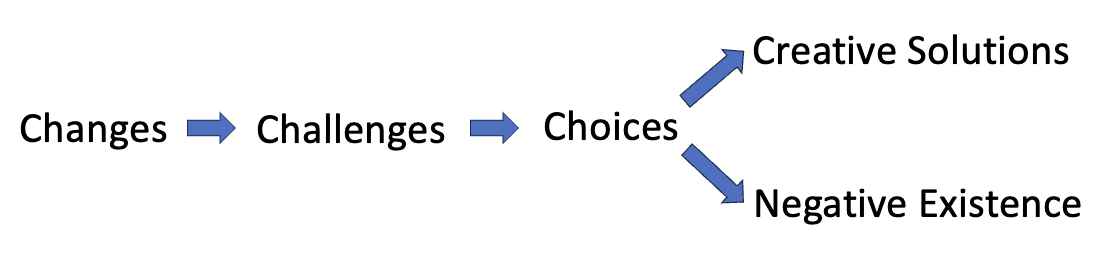
A Celebration of Sex After 50 presents a framework for thinking about sex and aging. It places “choices” at the center, showing that they determine whether we seek “creative solutions” or a “negative existence.” The latter is a euphemism for living without sex.
This book addresses many of the same topics as other sex and aging books. It discusses erectile difficulties, dealing with chronic diseases, and menopause. In contrast to some of the other books reviewed here, this book directly addresses some of the psychological aspects of erectile dysfunction and how it connects to male insecurity and masculinity. “The firmness of erections does not make the man; it is not symbol of a great lover. The surest way to become psychologically impotent is to worry about lovemaking sessions rather than enjoy the moment. During some lovemaking sessions you may not achieve an erection, or you may achieve only partial firmness. Don’t worry about it.” In the age where pharmaceutical companies send out the message that erections are the be-all-and-end-all to sell their phosphodiesterase 5 (PDE5) products (Viagra, Cialis etc.), it is refreshing to read such a direct message to men. “Remember that making love does not depend on an erection or orgasm. Be creative and enjoy intimacy as you help your partner achieve her climax.”
The chapter, “Loving Through the Obstacles: Dealing with Disease and Disability,” addresses diabetes, arthritis, heart disease, cancer, hysterectomy, stroke, chronic pain, and surgery. It proposes that six “skills” help people meet these challenges: creating a positive sexual self-image, communicating, developing flexibility, expanding your senses and knowledge of sexuality, choosing optimal times,” and “grieving.” The arthritis section describes using pillows to support the body to relieve stress on the joints during sex, which is an ergonomic concept. It also describes a few different sex positions to minimize “wear and tear on the bodies.”
The chapter titled, “Ooh La La!: Creative Intercourse and Lovemaking,” was the most unexpected chapter because of my preconceived notions about Christianity and sexuality. The chapter not only provides descriptions and line drawings of various penis-in-vagina (PIV) sex positions. It even suggests augmenting PIV sex with a vibrator. The chapter, “Magic Fingers: Sensuous Massage and Mutual Pleasuring,” favorably mentions masturbation and oral sex. Masturbation is presented in the context of a wife who does have the desire to make love because she is fatigued on some evening but wants to help her husband sexually. She snuggled her husband and encouraged him while he masturbated, providing intimacy for both and sexual release for her husband. I have to say, I was not expecting this in a Christian book on sexuality. Likewise, I was not expecting the tips on fellatio and cunnilingus presented in this book.
A major limitation of this book is its assumption of a married couple in a long-term relationship throughout the narrative, which led the authors to omit discussion of divorce and sexually transmitted diseases. The divorce rate for Christians in the United States is between 21% and 29%, depending on the denomination, so the book fails the large number of people seeking a new partner after divorce. Other sex and aging books provide helpful insights on this. There is no discussion of using condoms for disease prevention, which is a significant disservice to readers.
Despite its shortcomings, I recommend this book for anyone who wants a Christian take on sex and aging. Its framing of the conundrum facing older adults about diminished physical capacity and sexuality, as shown in the figure above, is profound regardless of one’s religious beliefs. We all have choices, and those choices may be between finding creative solutions or ceasing to be sexually active.
4. Sex After Grief: Navigating Your Sexuality After Losing Your Beloved by Joan Price (Mango Publishing Group, 2019 and 2024, 172 and 254 pages, respectively)
I always bring this book to lectures for people to explore, because often the questions are about sexuality after the death of a long-time spouse or partner. People come up to me after my lectures to discuss this topic because they have no one else to share their complex feelings, including sexual frustration, guilt, shame, and disorientation. Their families do not want to talk about their aging parent or grandparent’s sexuality, and even their friends are not comfortable discussing it. As a result, many feel isolated and alone in their grief and struggle to figure out their sexuality after losing a loved one. As anyone who has attended a support group knows, it is comforting to know you are not alone. This book is helpful for both men and women dealing with sex and grieving.
This book provides specific suggestions for dealing with the challenges of finding one’s sexuality again after the loss of a long-time partner, whether solo or partnered sex. Ms. Price writes insightfully, honestly, revealingly, and comfortingly about this topic. The strength of this book is that it was inspired by Ms. Price’s own life journey. She shares her experience following the death of her husband, Robert. The book is honest and revealing to the point of raw discomfort because she writes from the heart, clearly grieving for the loss of Robert. She writes about grief and how it interfered with even feeling sexual again after his death, and about the role of vibrators and masturbation in the period following. She describes her experience with dating and having sex with “friends with benefits.” She also includes quotes from other sex writers, educators, and therapists to support her points. However, it is her many stories from “Grievers,” people who grieve the loss of their sex partners, that provide additional insights and emotional power. They read as genuine, expressing real challenges ranging from feeling guilt at wanting a new partner to difficulty in finding one. In a section titled, “Many Grievers Share,” she writes: “I received so many responses to this topic! Here’s what grievers shared about their (new) first times. They struggled with all the challenges above, the same insecurities that you face. The variety helps affirm that whatever your experience is, you’re not alone.” [emphasis added] While this is in the chapter titled, “Your (New) First Time,” it applies to much of the book. For example, there are many shares about the insecurity of beginning to socially engage following bereavement and dating.
Sex After Grief covers much of the same territory as Ms. Price’s previous books (The Ultimate Guide to Sex after 50, Better than I Ever Expected, and Naked at Our Age) on sex and aging, each of which will be reviewed in a previous blog post. It discusses dating again after a long-term relationship, but does so with a different angle I have not seen elsewhere. In the chapter “Dating Again” she discusses the trap of comparing a date to the deceased partner and whether to limit dating to other widowers. She also has a chapter titled, “For Non-Grievers Who Want to Date Us.” This chapter alone justifies buying the book and sharing it with someone you are starting a relationship with. Another way this book differs is that it addresses polyamory and hiring a sex worker.
Of all Ms. Price’s books, this one most directly addresses the importance of recognizing alternatives to penetrative sex. “By seeing penetrative sex as the primary goal, those of us with penises (and those of us who have sex with people with penises) cheat ourselves out of a lot of sexual pleasure,” she writes. “Heterosexual couples especially tend to fall into this pattern: we’re turned on, we arouse each other, we finish with intercourse, aka PIV (penis-in-vagina). This is the old model, and it is limiting.” In her previous books, she has directly addressed masturbation and sex toys, mostly in terms of increasing the variety of sexual activity. In this book, she more clearly recognizes that physical limitations older men and women have make PIV sex difficult or impossible. Thus, she holds up caressing, manual sex, and oral sex for special consideration as options in her chapter, “It’s Not All or Nothing.”
This is a wonderful book. It is important to note that there are two versions of this book: an early version published in 2019 and an expanded version published in 2024. Both share the same title. If you buy from a bookstore or online, check the copyright date. The later edition contains all the 2019 chapters, but has four more. If you choose to buy the 2024 book from Ms. Price’s website, there is a button to select before you check out that requests the 2019 edition to be included.
5. Better Than I Ever Expected: Straight Talk About Sex After Sixty by Joan Price (Seal Press, 2006, 269 pages)
Ms. Price’s first book on sex and aging clearly targets older women. She states in the introduction, “While we Boomers and beyond do want self-help, we are hungry for the voices of women’s shared experiences.” She describes the book as warm, friendly, lighthearted, down-to-earth, often graphic, and honest — the kind of book she would love to read. Notably, she does not position herself as a health or sexology expert but combines personal stories, expert quotes, and everyday women’s experiences. The focus equally weighs on these three aspects. Her personal anecdotes and quotes come from her own experience, while stories from women aged 60+ came from a solicitation she initiated: “Wanted: Interviews with sassy, sexy women, age 60+ who are willing to share feelings and experiences openly and anonymously in a candid, women-to-woman book.” This call for stories circulated through networks, email lists, and message boards. It aimed not for scientific sampling but to gather authentic, personal experiences, which are included throughout in sidebars.
She describes how she shifted from writing The Anytime, Anywhere Exercise Book about fitness to focusing on sex and aging. During a promotional tour for her fitness book, a cable TV show that discussed sex topics asked her, "Are any of your exercises especially good for sex?" This question inspired her new direction. I'm thankful she received that question, as it eventually led to her publishing books on the subject.
It is no surprise that the chapter, “Fitness and Exercise: Our Bodies, Ourselves, Our Sex Lives,” is the most comprehensive discussion about exercise and sex among all the books I am reviewing. The chapter highlights the benefits of fitness for sex and cites some references from medical literature for support. She describes eight dry-land exercises aimed at strengthening muscles, focusing on the three most important areas of the body for sex, especially for women: the pelvic floor, hips, and core muscles. She mentions Kegel exercises for the pelvic floor muscles and provides detailed instructions based on input from Myrtle Wilhite, M.D. Since much of penetrative sex involves moving the pelvis or controlling its position, hip muscles and those around the spine are extremely important (I will discuss their biomechanics in greater detail in my June blog post). Four of the eight exercises target muscles crossing the hips, and one specifically pertains to controlling the pelvis. I have not seen any other sex author acknowledge the benefits of Pilates for sex as Ms. Price does in this book. “Core” training, emphasized in Pilates, strengthens the muscles around the lower spine that manage pelvic motion and orientation. None of the other books on sex and aging I have encountered stress core strength, making this a notable contribution to the literature. Lastly, the information in this chapter is relevant to both women and men, although the instructions for Kegel exercises are tailored for women.
The other chapters are also excellent, covering topics from menopause to masturbation and sex toys. They include insightful discussions on dating later in life, advice on finding a doctor or therapist, and other relevant subjects. A recurring theme throughout is that “you are not alone” in facing these issues, conveyed through the author’s personal experiences and stories from women she interviewed. One chapter, “Sparking the Familiar Fire: How to Spice Up a Long-Term Relationship,” and another, “When You or Your Partner Can’t,” address erectile dysfunction, primarily from a woman’s perspective. They also explore challenges in accepting a penis after menopause due to changes in vaginal tissue elasticity. Additionally, a sidebar features expert advice from Dr. Susan Campbell titled, “When I’m in the Mood and My Partner Is Not.”
Limitations of the book include its focus on heterosexual sex. While there are interview excepts from a few lesbian respondents, the author doesn’t provide much narrative around them to acknowledge lesbian sexuality. Additionally, there is much less emphasis on safer sex than other books on sex and aging, including Ms. Price’s more recent books. It may be that the author’s reliance on survey responses for content affected the organization of the book and selection of topic areas.
In summary, this book is especially beneficial for women. Men can also find value in it, but they are not the primary audience. It stands out among those reviewed for its clear discussion of fitness, muscle strengthening, and sexuality in aging. Additionally, for readers who might be deterred by topics like polyamory, kink, or other more provocative subjects in contemporary sex literature, this could be a preferable choice compared to books like The Ultimate Guide to Sex after 50 or Naked at Our Age.
6. The New Love and Sex After 60 by Robert N. Butler, M.D., and Myrna I. Lewis, Ph.D. (Ballantine Books, 2002, 380 pages)
Butler and Lewis offer a very good revised and updated “new” edition of their 1976 book, Love and Sex after Sixty. The writing style is very dry, simply authoritative expert writing. There are no personal stories from readers, like those in Ms. Price's books. As a result, the book contains a lot of information but is somewhat dull, which is hard to achieve when writing about sex! Although the revised edition is over 20 years old now, it still contains solid and useful information. Unlike the original 1976 edition, the revised version addresses gay and lesbian sex in an aging context. The book is written with both women and men in mind.
Both Butler and Lewis possess significant academic credentials, so their book should be regarded seriously. Robert Butler, M.D., was a physician and psychiatrist whose career focused on gerontology. He was a founding director of the National Institute on Aging (NIA), part of the National Institutes of Health in the United States. Notably, he is also credited with coining the term “ageism” in 1969. Myrna Lewis, Ph.D., was a distinguished social worker specializing in aging. Their 1976 book marked a major contribution to sexuality and aging, as it was the first widely available book on the topic.
The most relevant chapters in the revised edition are “Sexual Fitness” and “Common Medical Problems and How They Affect Sexuality.” The authors begin the chapter by stating, “It’s never too early to start and always too soon to stop paying attention to your physical fitness. The enjoyment of sex is enhanced by keeping your body as healthy and pain-free as possible.” I wholeheartedly agree with this, but I dislike the scolding tone in the next part: “You’re too busy to exercise. Don’t even try that excuse.” I believe it’s important to meet people where they are rather than scold them. If people have busy lives, help them figure out how to naturally include exercise in their lives. The authors explain the importance of aerobic exercise for fitness and recommend the excellent book Exercise: A Guide from the National Institute on Aging. They also responsibly suggest that if you’ve been inactive and start a fitness program, you should consult your physician, who may recommend a treadmill stress test. To their credit, the authors include Kegel exercises in their discussion of muscle strengthening. Pelvic floor muscle function is often overlooked in fitness literature. There’s also a section on nutrition in this chapter.
The chapter, “Common Medical Problems and How They Affect Sexuality,” is very much a medical chapter written by an allopathic physician. It covers medical topics to be expected, like heart disease, stroke, hypertension, diabetes, back pain, arthritis, asthma, incontinence, Parkinson’s disease, Peyronie’s disease, renal disease, hernia, and cancer. The section on arthritis is especially relevant to this blog because of its biomechanical component. The authors offer suggestions about minimizing arthritic pain, including COX-2 inhibitors, exercise, and warm baths. The book also suggests, “You might also experiment with new sexual positions that do not aggravate pain in those joints that are sensitive.” In one of the few examples of real people, they use Max and Molly. Like many people with osteoarthritis, Molly’s most pain-free time is in the morning so Molly’s doctor suggested having sex then. The authors note many people with rheumatoid arthritis have more pain and stiffness in the morning, so they may prefer afternoon or evening sex more. The doctor also suggested she use “pillows to cushion her hip bones,” an idea that has been discussed elsewhere on this blog. Finally, the authors recommend visiting the Arthritis Foundation website for information on arthritis and sex.
The remaining chapters cover topics similar to those found in other books about sex and aging. They include information on the physiological changes men and women experience as they age, such as erectile dysfunction, emotional challenges related to sex, widowhood, divorce, dating, finding new partners, and available resources. The chapter on erectile dysfunction discusses Viagra, FDA-approved mechanical devices, and injections. The chapter titled “Widowed, Separated, Divorced, or Single: Finding New Relationships” feels very superficial. Ms. Price’s other books addressed these topics much better, especially Sex After Grief.
In summary, this book feels like a conversation with your family doctor about sexuality and aging. It is professional, informative, and well-written. However, the writing is dry, and it is very targeted toward heterosexuals. While there are five pages dedicated to gay, lesbian, and bisexual sex, most of those pages focus on providing descriptions and contact information for advocacy organizations.
7. Dr. Ruth’s Sex After 50: Revving Up the Romance, Passion & Excitement by Ruth K. Westheimer, Ed.D. (Quill Driver Books, 2005, 242 pages)
Since this blog is for people over 50, you probably know who Ruth Westheimer, Ed.D., or “Dr. Ruth,” was. She passed away in July 2024. Dr. Ruth played a significant role in bringing sex education to adults in the United States beginning in the 1980s. She co-authored this book with Pierre Lehu, and it was published in 2005.
The book covers a wide range of topics, from the physical changes men and women can expect as they age to chapters on “Spicing Up your Love Life” and “The Pitfalls of Retirement.” Most of what this book discusses is also covered in some way by Ms. Price’s books, and those are better. For example, Westheimer and Lehu have a chapter on “solo sex,” i.e., masturbation, but do not frame it as a possible solution to the challenges of aging. Westheimer and Lehu do acknowledge that many older adults have grown up with messages that masturbation is wrong, and they try to explicitly give “permission to masturbate.” They also offer some tips on dealing with feelings of shame about it, and they suggest erotica and sex toys. Other books reviewed here discuss masturbation as an option after divorce, widowhood, or caregiving for a partner who can no longer have sex due to illness. This book would be improved if it more clearly connected solo sex to these kinds of life events that come with aging.
One thing Wesheimer and Lehu write really stood out, and I did not see a similar observation in any other book. They note that as men age, they tend to lose the ability to have a “psychogenic erection,” which is an erection caused by the mind without physical stimulation of the penis. “What happens when a husband reaches this stage and neither half of the couple is aware of what is happening?” they write. “Since seeing his wife in the nude no longer gives him an erection, he may think he’s no longer attracted to her.” They continue to speculate what can happen, from the husband having an affair to the wife withdrawing because she assumes he does not find her attractive anymore. A normal process of aging, which is the increasing need for intentionality and physical stimulation to achieve an erection, becomes misunderstood in a way causes relationship problems. That is tragic. Reading this was one of the reasons I decided to start lecturing on blogging about sex and aging biomechanics: I don’t want people to turn biomechanical consequences of aging into relationship problems.
What does this book say about the biomechanics of sex and aging? The most relevant chapter is “Physical Fitness,” which describes exercises to help people stay able to have sex. These exercises focus on strengthening the hips and back, which help control the movement and angle of the pelvis during sex. The book also includes Kegel exercises to strengthen the pelvic floor muscles. However, it mainly discusses Kegel exercises for women and does not mention the potential sexual benefits for men. The section titled “The Pain of Arthritis” is particularly relevant to this blog because arthritis has a strong biomechanical component. The book briefly talks about using pillows to prop up a knee to reduce pain. “Keep some extra small pillows in the bedroom so you don’t have to run around searching for one in the middle of love-making if arthritic pain suddenly flares up,” is excellent practical advice. They also discuss carefully choosing sex positions to minimize arthritic joint pain.
The book has both strengths and limitations. I believe the main strength is the honesty Westheimer and Lehu bring to the topic. They dedicate an entire chapter to “Shared Health Problems” such as depression, arthritis, diabetes, and dementia. Health issues like these pose very real challenges to sexuality for many older adults. Additionally, the authors honestly address concerns readers may have about subjects like pornography. “Many women, in particular, don’t like being compared to the exaggerated female forms that populate such material … And many others object to this type of material for religious reasons. I absolutely respect these points of view,” she writes, and continues: “But, if you don’t share these negative feelings, then I see nothing wrong in watching an erotic movie to increase your level of arousal.” Thus, the authors respect sincerely held views on pornography while allowing readers who want to explore it to incorporate it into their sex lives. The main limitation of this book is its lack of acknowledgment of gay and lesbian sex. There is no “gay” entry in the index at all, and the only references to lesbians involve sex toy use. The discussion of HIV/AIDS is mostly contained in the “Resources” chapter, such as the CDC AIDS Hotline. This omission seems strange, given that the book was published in 2005.
In summary, this was a groundbreaking book for expanding the discussion on aging and sexuality to a broader audience. However, it is not the best book I have enountered on the topic. I don’t bring this book to hand around at my public lectures.
8.The Sex Bible for People Over 50: The Complete Guide to Sexual Love for Mature Couples by Laurie Betito, Ph.D. (Quarto Publishing Group, 2014, 159 pages)
I make a point of not bringing this book to hand around in my lectures for two reasons. The first is the title, “Bible,” which confuses some people into thinking that it is a Christian take on sexuality and aging. There is no reference at all to the religious text at all; the use of “Bible” must be meant to suggest that this book is the authoritative source of information on sex and aging. If you want a Christian perspective on sexuality and aging, read the review of A Celebration of Sex after 50 above. The second reason I do not bring it to my lectures is that it has color photographs of a couple that could easily be described as “soft-core” pornography. They show a male-female couple naked engaged in various sex acts. It would only be classified as “soft-core” because genitals are not shown. Combining these two limitations, the book sets up people who are religious and troubled by pornography to buy a book that they will hate. This is especially true in the age of online bookselling, where many sites do not allow browsing beyond looking at the cover. It would discourage them from pursuing materials that could help them. I also do not bring it to lectures because I know some of the audience would not like leafing through a book with sexually suggestive photographs seated next to others, and in fact they may not want to do it under any circumstances.
Having expresseda my misgivings about this book, let me get to describing what it does cover. It contains chapters on subjects covered in many of the other books reviewed above, such as “Sex Doesn’t Have an Expiration Date” and “Alternatives to Intercourse.” It covers the physiological changes that occur for both men and women. However, it does so in a much less insightful way than other books reviewed above. This is not surprising given that the book is only 159 pages long and much of the page space is given to the photographs.
9. Sex in Your 60’s: How to Enjoy Sex Beyond 60 in Fact in Your 50’s too!! by P.Y. Williams (Peter Yexley, 2020, 65 pages)
This book is very thin and lacks substance. Topics that would normally take five pages to cover in other books only get a short four-sentence paragraph here. The coverage is equally superficial when it comes to subjects affecting men and women. I would expect this “book” to have been written by artificial intelligence as a clickbait “throw-away” book on Amazon if it were published in 2026. There is no ISBN number, and the copyright is held by Peter Yexley and published by Peter Yexley. The production quality is very low: it doesn't even have page numbers, despite the table of contents listing page numbers for each chapter.
10. Grandpa Does Grandma: The ABC’s of Senior Sex by Phil Parker (Lilli Publishing, 2015, 103 pages)
The author biography says the author “is a professional speaker, author who enlightens audiences worldwide with his creative and humorous insights.” The book seems self-published, with the sole purpose of letting the author stand up and say, “I have such expertise that I have written the book on senior sex from A to Z.” This is evident in the book’s organization, which is literally a very short chapter for each letter of the alphabet. Each chapter begins with a quote, most of which come from comedians likely to be known by Boomer generation readers (Lily Tomlin, George Burns, Woody Allen, etc.). Comedian quotes are also scattered throughout the text. There are cartoons of “Granpa” and “Grandma” having sex that are likely intended to be humorous. Each chapter ends with a few paragraphs headlined by “on the softer side,” which tend to focus on the psychosocial aspects of sex. The book reads as if it is merely the author’s opinion and advice. The author does not reveal any formal training or affiliation with legitimate sex education organizations such as the American Association of Sexuality Educators, Counselors and Therapists. Thus, it appears to lack authority or expertise. The book ranges from simply offensive to misleadingly dangerous.
The quotes from famous comedians don’t “land.” They are beyond cringe. For example, the book includes quotes on sex from Woody Allen. The book was published long after Mia Farrow accused Woody Allen of sexually molesting their adopted daughter, leading to the widespread public view of Woody Allen as a pedophilic sex offender. Including quotes from him in a book on senior sex is worse than tacky.
The worst part of the book is its near dismissal of sexually transmitted infections (STIs) despite the high incidence of STIs among older adults. “Condoms are no longer required unless you’re playing the field with different partners, some of whom may be fertile.” While the author does go on to acknowledge STIs, he points to STI risk if you are “active with many partners.” It doesn’t take “many” partners to get an STI. Evidently, the author is unaware of modern, evidence-based recommendations for older adults on STI prevention.
Positive aspects of this book include very brief discussions and references to serious topics that are covered more extensively in other books. For example, the book acknowledges the effects of menopause, erectile dysfunction, the use of pillows to support the pelvis during sex, and fitness. The fitness section even mentions Pilates, which is not discussed much elsewhere in the literature.
The book can be summarized by comparing the author’s discussion of PDE5 medications with Joan Price’s approach to writing. The author, who is male, writes: “Personally, I can’t say much about Viagra®. Up to this point I’ve not found the necessity to use it.” In contrast to a great sex writer like Ms. Price, who puts herself on the same level as readers by writing about her own challenges with sex and aging, the author of this book puts himself above readers who may benefit from taking a PDE5 inhibitor.